
Energy Efficiency
/ Added to cart
Free UX patterns for energy-efficient online shopping
To accelerate sustainable transition, this library is free and open source under Creative Commons License CC BY 4.0: You may use and adapt. Resale is not permitted. Attribution is appreciated.

Purchase decisions for energy-intensive products are increasingly made online — fast, convenient and largely price-driven. Despite legal requirements and availability, energy efficiency data has little influence on this consumer behaviour. The UX patterns in this collection aim to make this information visible, understandable, and behaviourally effective.
Customer Journey Stage
01
Recognize need
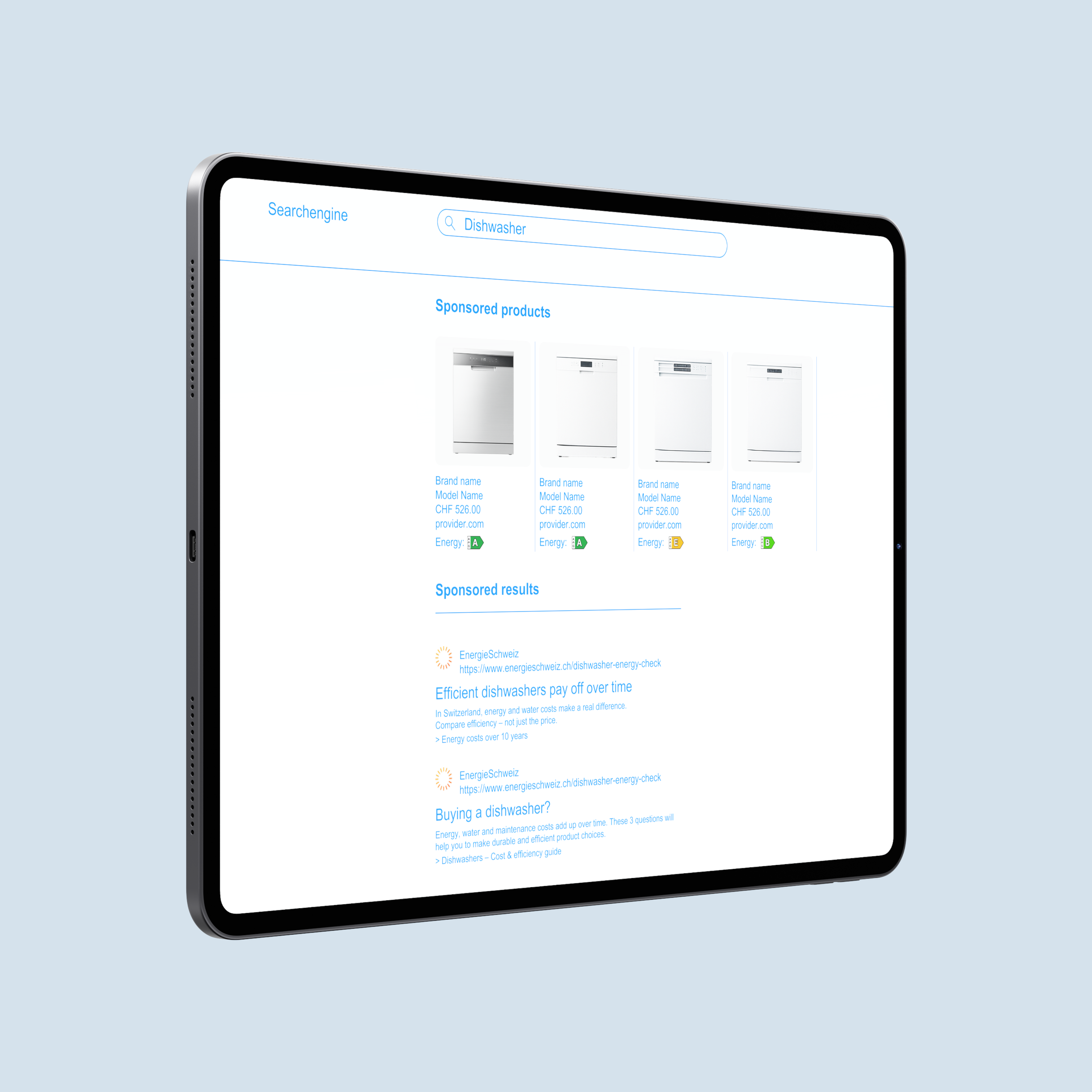
Anchoring
Reframe search ads from low price to long-term cost.
→ View Pattern
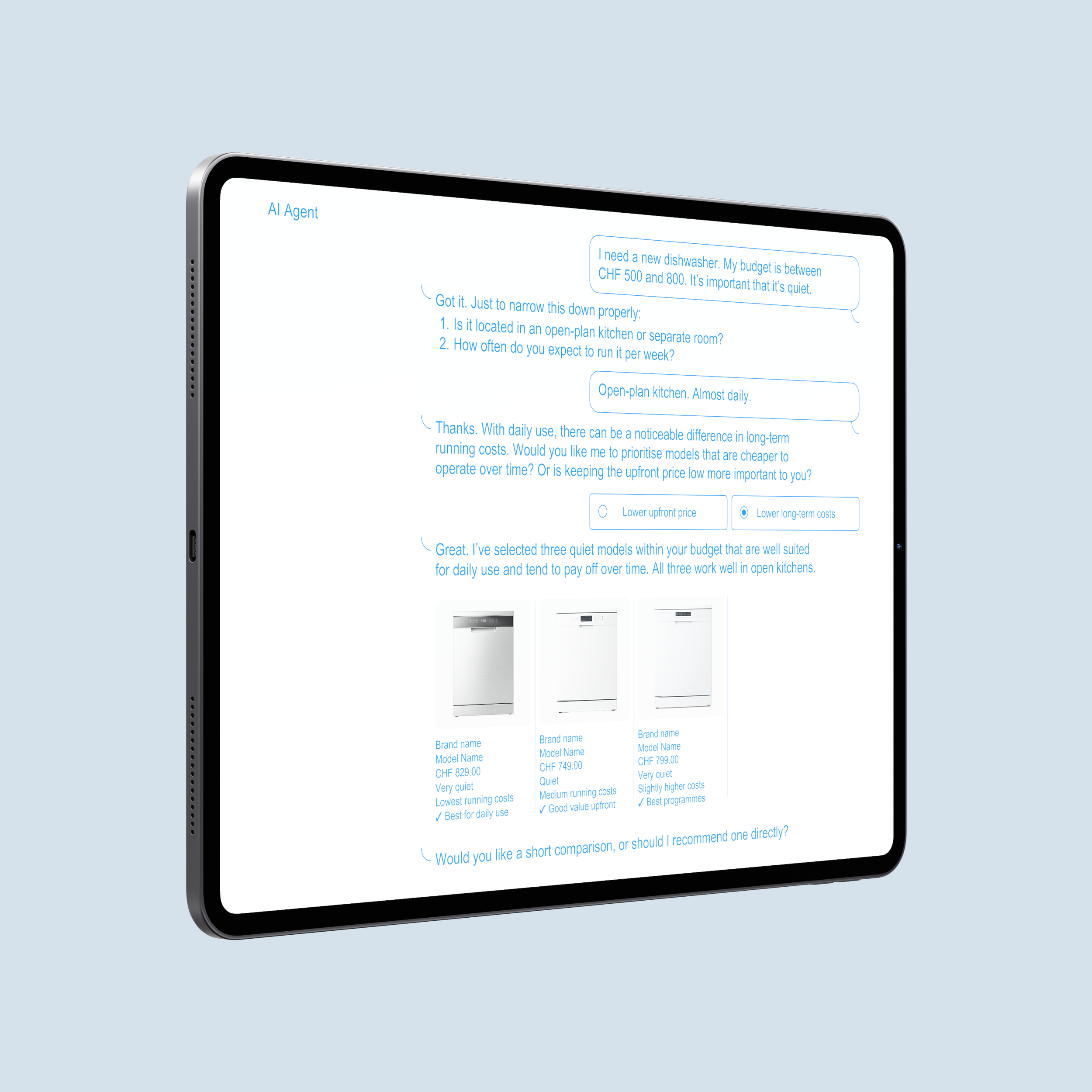
Agentic AI
Make efficiency data machine-readable so AI agents can recommend efficient products.
→ View Pattern
Customer Journey Stage
02
Search for products
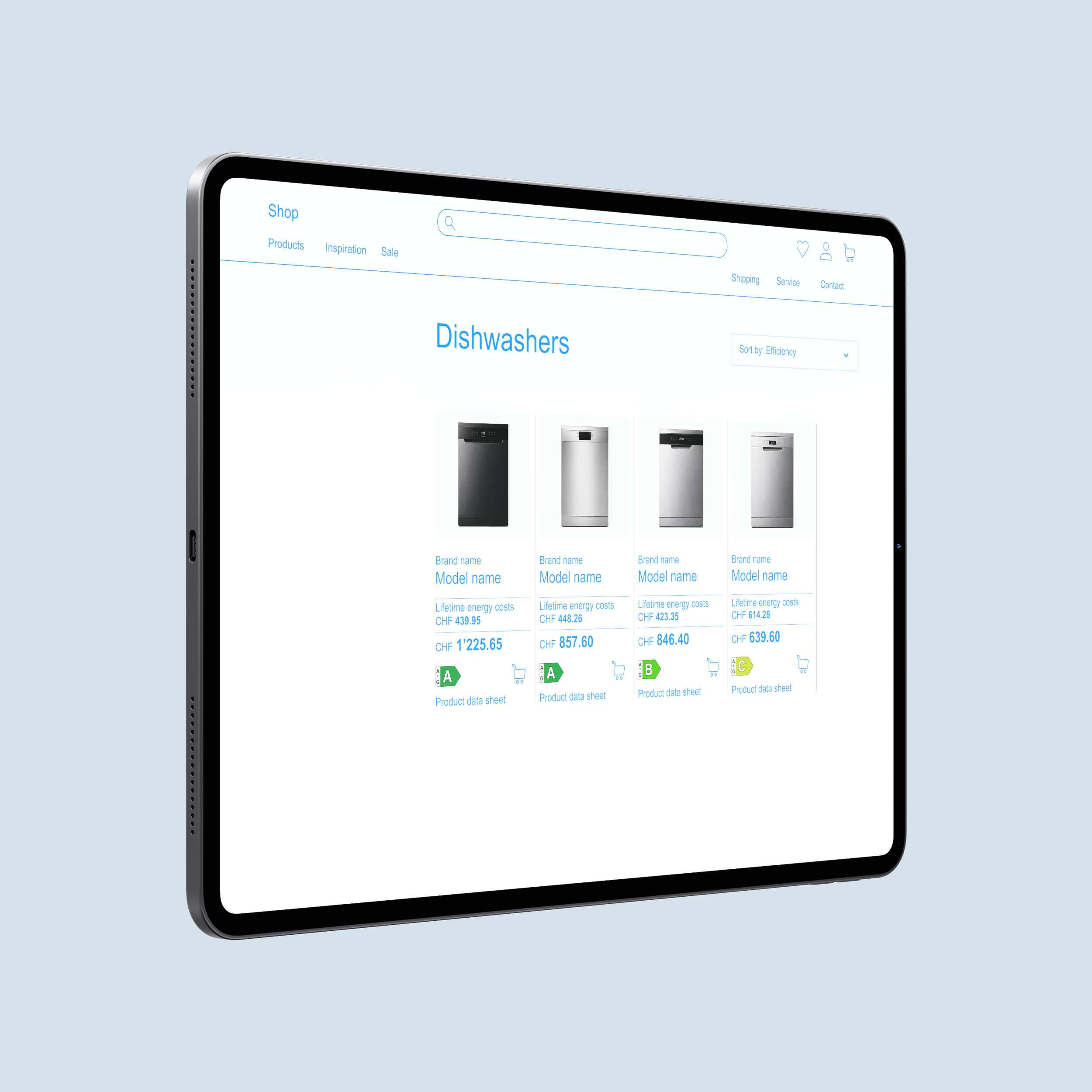
Efficiency First Sorting
Sort products by efficiency on default while keeping all alternatives accessible.
→ View Pattern

Efficiency Default Filter
Preselect the highest efficiency class as the default product filter.
→ View Pattern
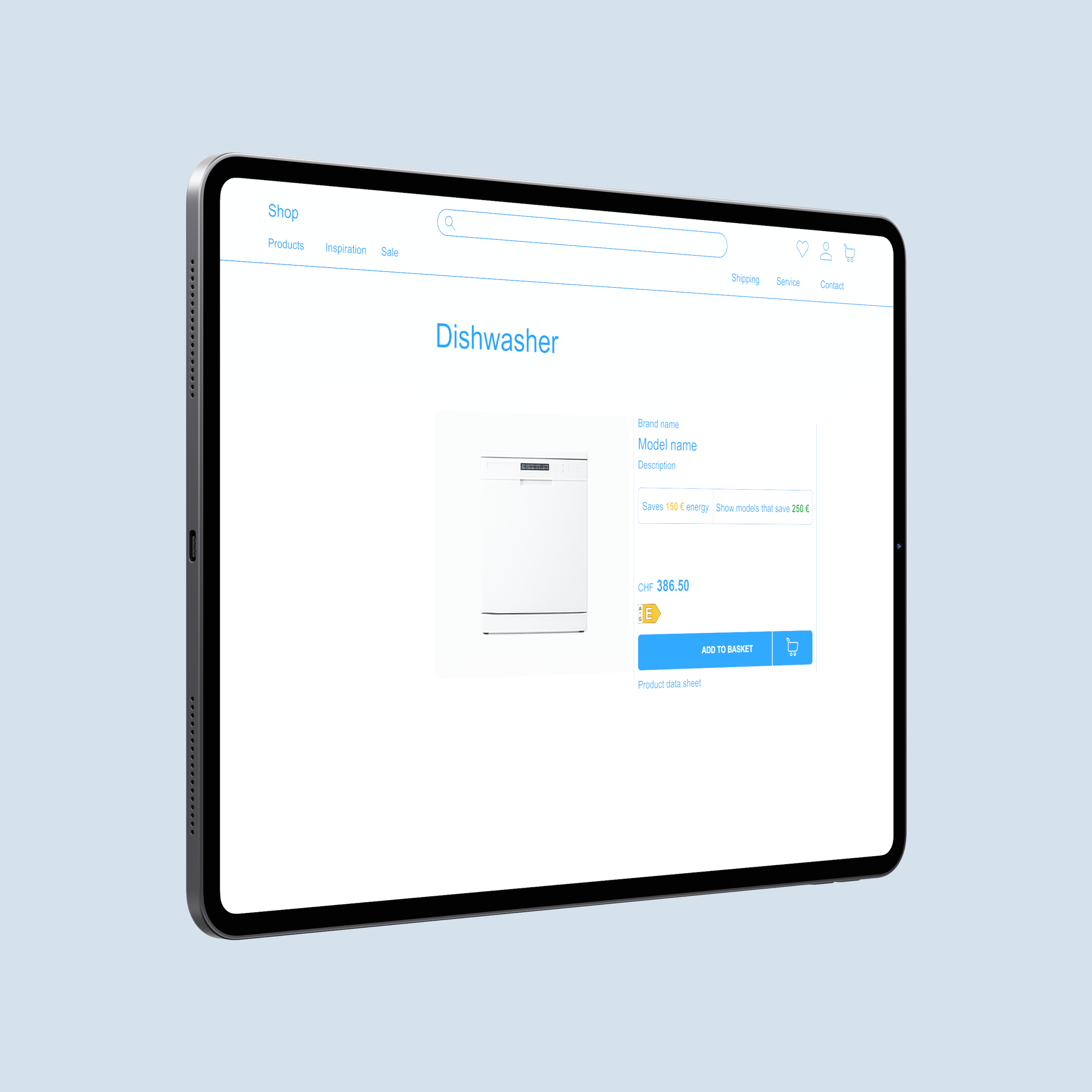
Lifetime Cost Teaser
Suggest more efficient alternatives on low-efficiency product detail pages.
→ View Pattern
Customer Journey Stage
03
Evaluate and compare
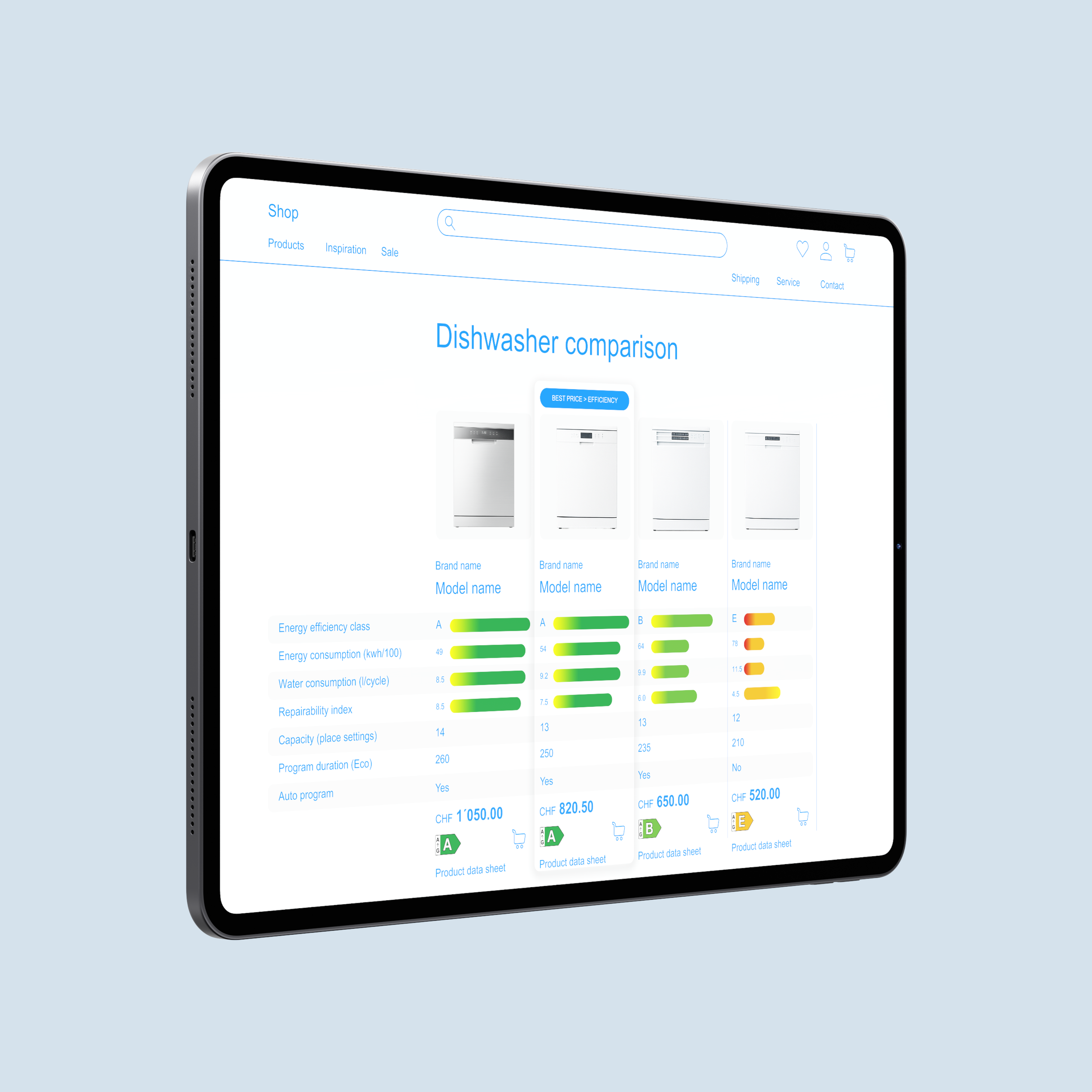
Efficiency Framing
Frame comparisons around efficiency, repairability and long-term value.
→ View Pattern
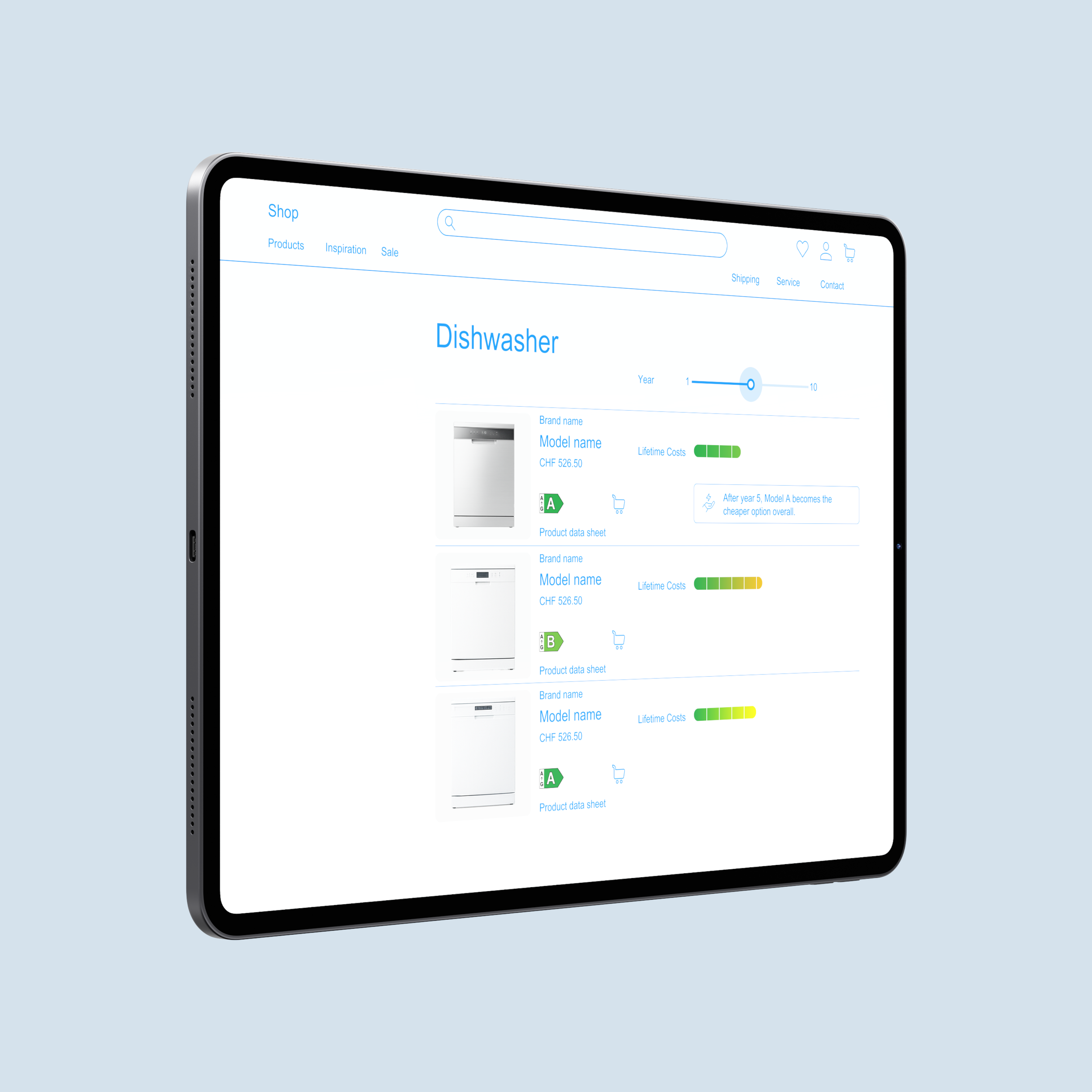
Cost-over-time-slider
Put purchase price and running costs over time in perspective.
→ View Pattern
Customer Journey Stage
04
Purchase
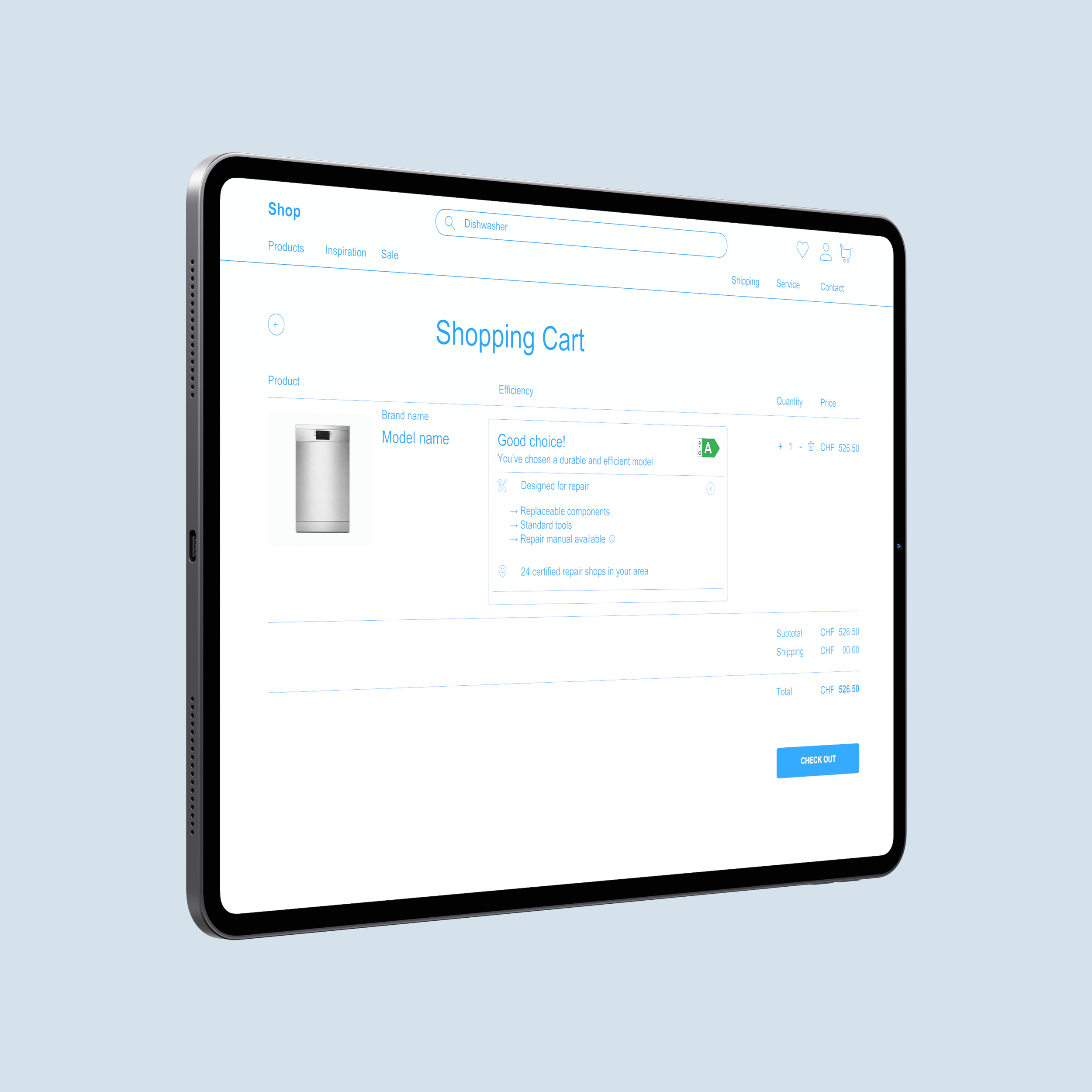
Reassurance
Support completion of a Class A purchase through repairability and durability benefits.
→ View Pattern
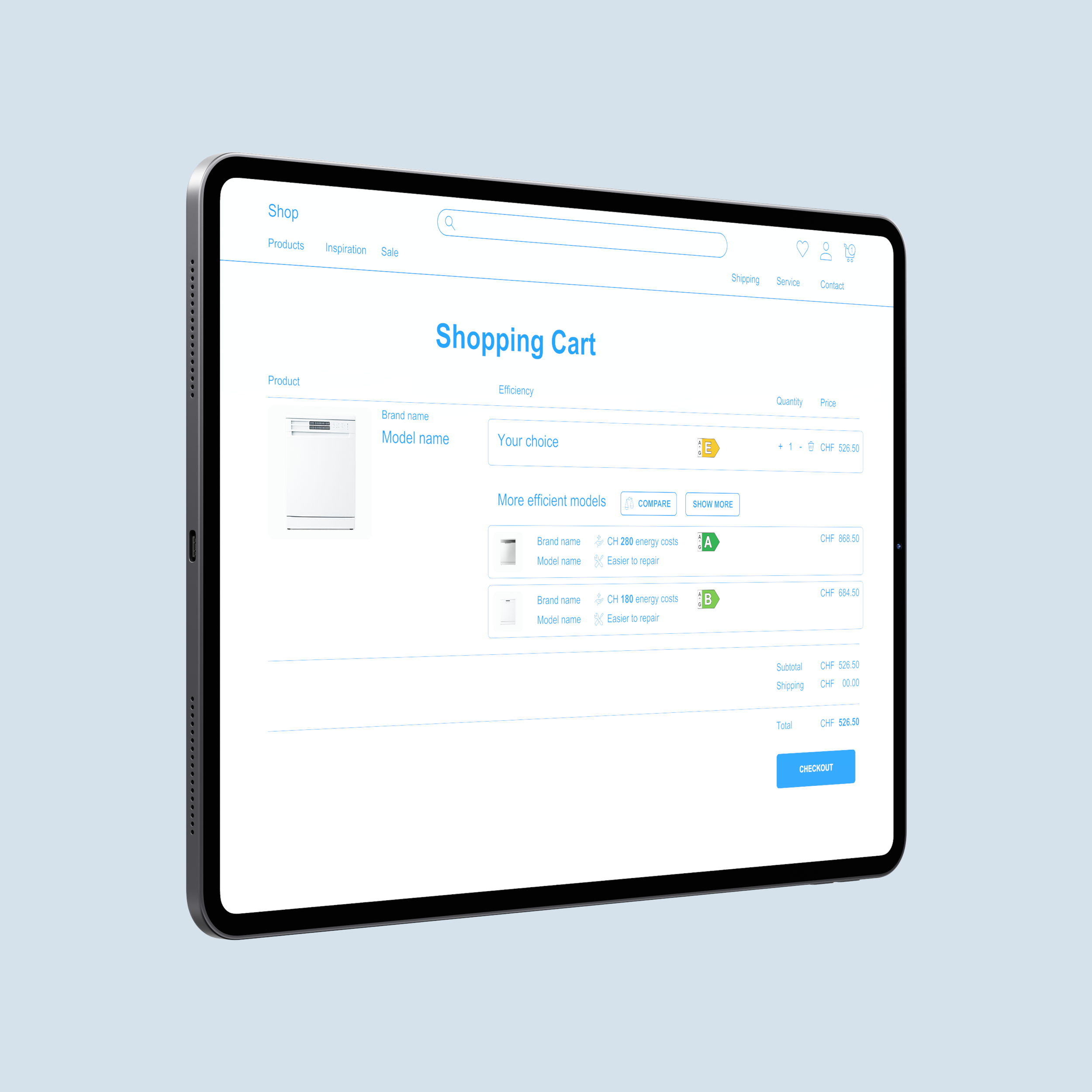
Alternative recommendation
Tease more efficient product alternatives directly in the shopping cart.
→ View Pattern
Customer Journey Stage
05
Post purchase
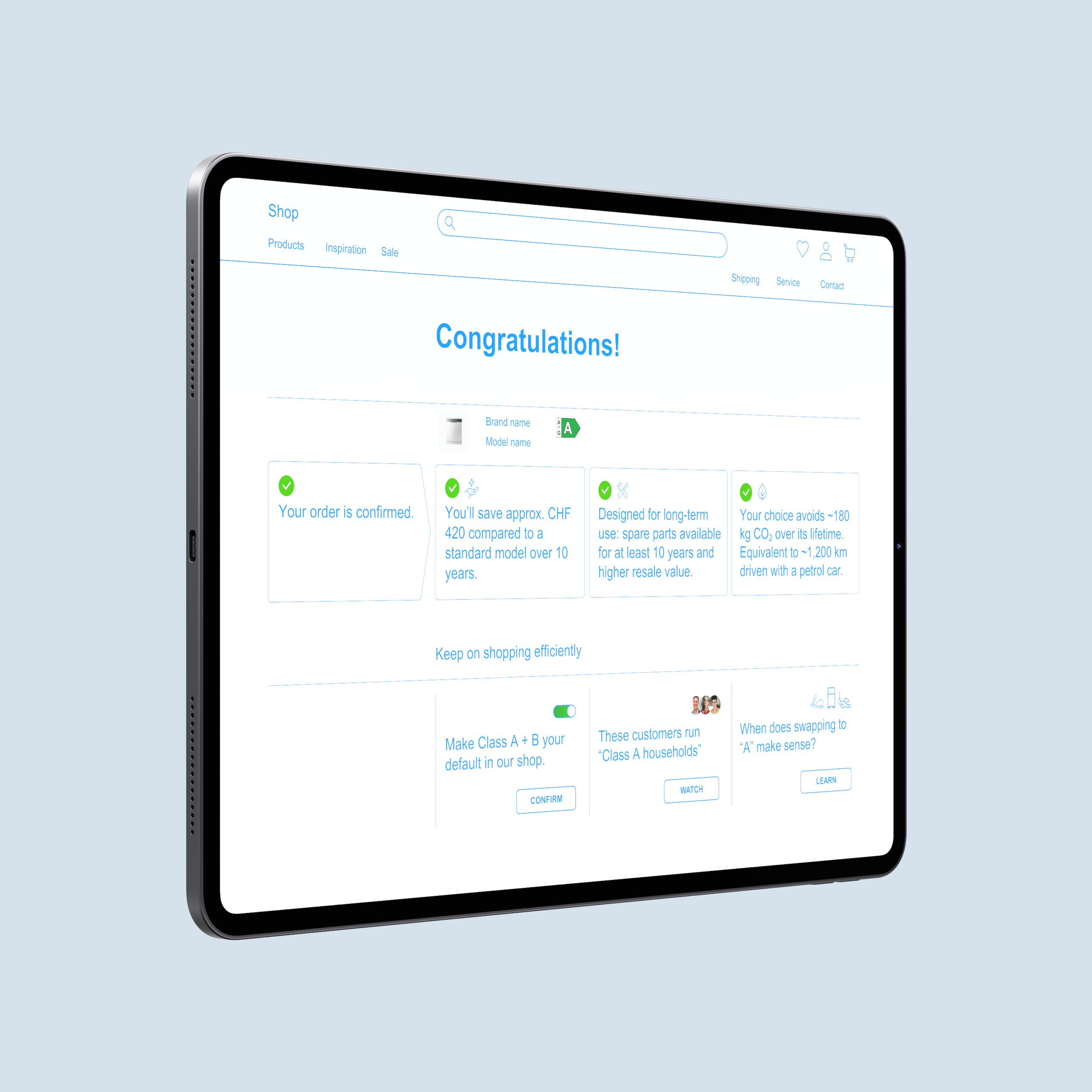
Validation
Confirm the long-term savings and impact of the efficient purchase decision.
→ View Pattern
Customer Journey Stage
06
Use
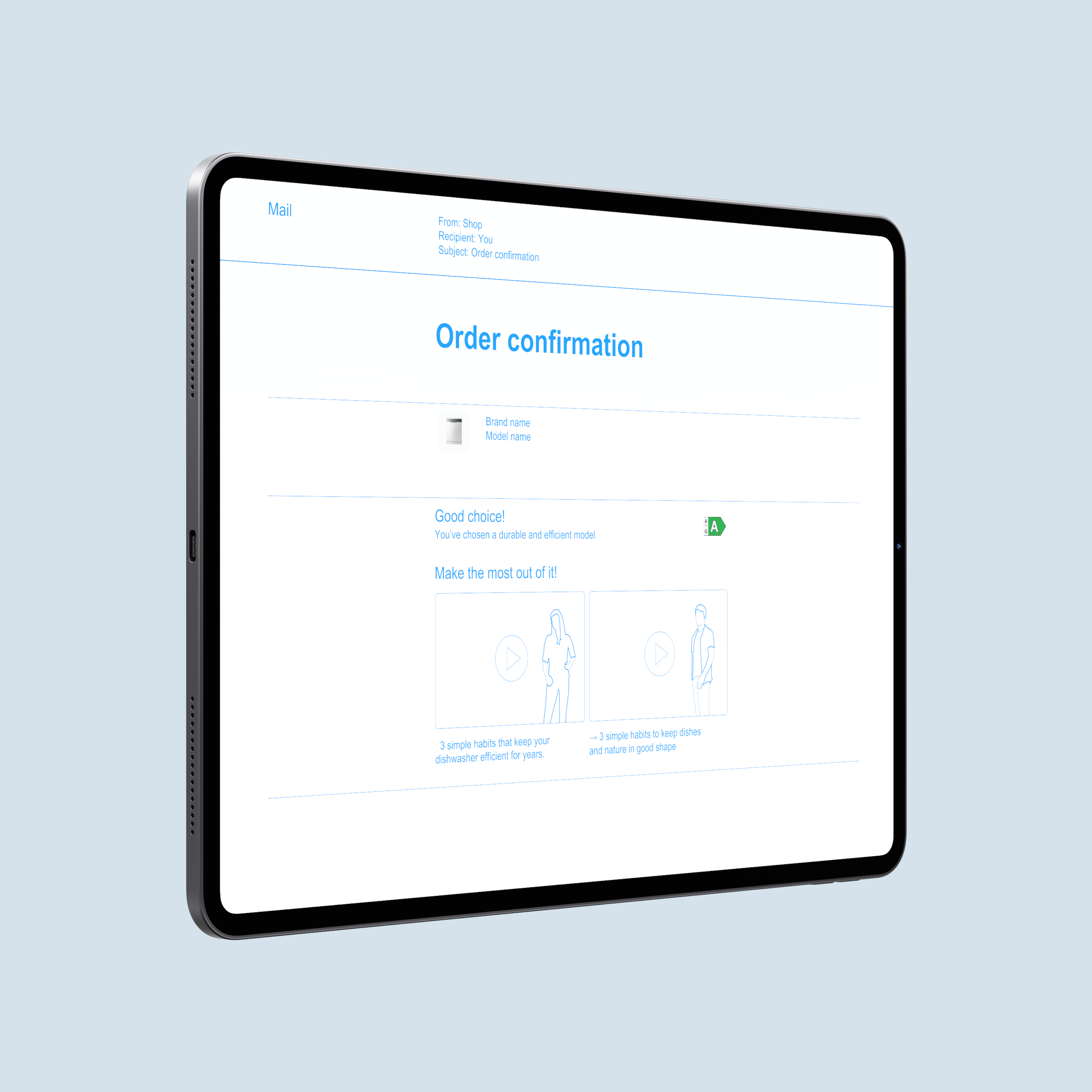
Reinforcement
Use delivery waiting time to encourage efficient product use and habits.
→ View Pattern
Project partners
Funding

Studio Peter Post × Petra Esveld
Studio Peter Post × Petra Esveld is a design studio focussing on ux- and service design for the circular economy and branding for public institutions, NGOs and Non-Profits.
Development

SwissEnergy
SwissEnergy is the Swiss Federal Council’s programme for supporting voluntary measures to improve energy efficiency and promote renewable energy.

Circular-Experience.org
Circular-Experience.org is the circular economy design practice of Studio Peter Post × Petra Esveld, specialising in service design and user experience design for sustainable products and systems.